Chief AI Officers From Department of War, FBI, Space Force, FTC to Speak at 2026 AI Summit
Senior federal artificial intelligence leaders from across the national security, defense, law enforcement and civilian technology communities will speak at the Potomac Officers Club’s 2026 Artificial Intelligence Summit on March 18.

The event will bring together government and industry leaders to discuss how agencies are operationalizing AI, building mission-ready data infrastructure and scaling emerging technologies across federal programs. Registration is still open, but seats are limited—claim yours now!
Several of the speakers serve as chief artificial intelligence officers or chief data and AI leaders within their organizations, positions that have become increasingly important as federal agencies expand the use of AI across defense missions, cybersecurity operations, healthcare systems and regulatory oversight.
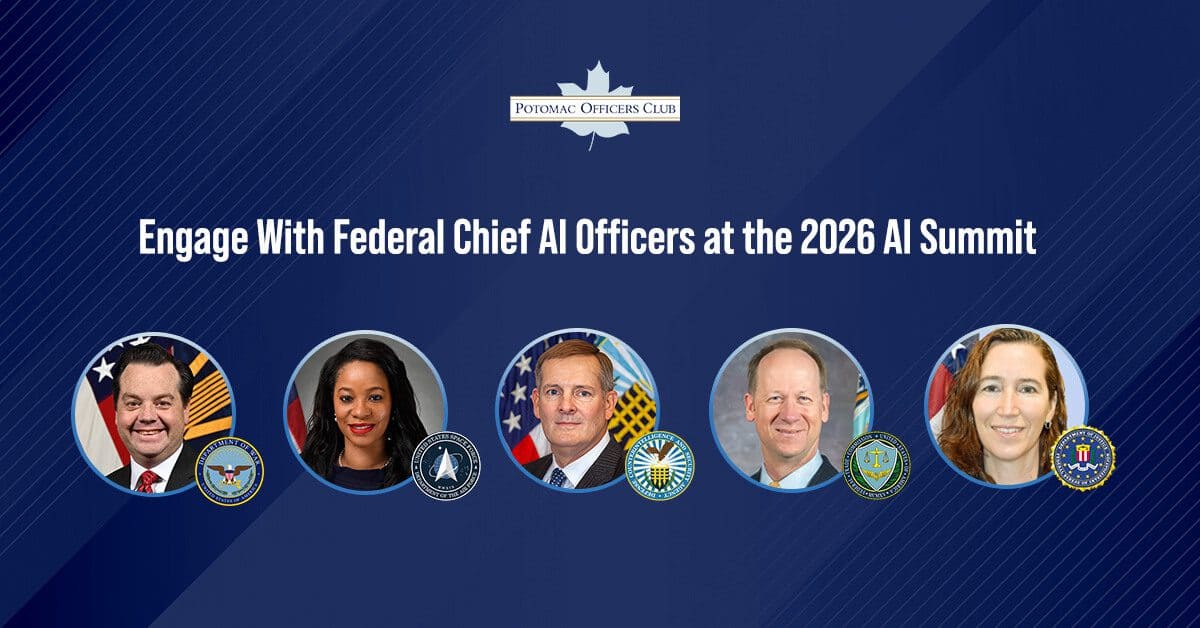
Among the chief AI and data leaders participating in the summit are:
-
Cameron Stanley, Chief AI and Digital Officer, Department of War (keynote)
-
Wallace Coggins, Chief Data and AI Officer, Defense Counterintelligence and Security Agency
-
Chandra Donelson, Chief Data and AI Officer and Director of Data, Artificial Intelligence and Software, U.S. Space Force
-
Delester Brown, Chief Data and AI Officer, National Guard Bureau
-
Katie Noyes, Chief AI Officer, FBI
-
Mark Gray, Chief AI Officer, Chief Data Officer and Chief Information Officer, Federal Trade Commission
-
Dr. Jesus Caban, Chief Data and Analytics Officer, Defense Health Agency
The summit will also feature additional government technology leaders including Adam Starr, chief information officer at the U.S. Office of Personnel Management, and Jonathan Elliott, director of the AI Rapid Capabilities Cell within the Department of War’s Chief Digital and Artificial Intelligence Office.
Together, these leaders represent agencies responsible for some of the federal government’s largest artificial intelligence initiatives. The Pentagon alone is expected to spend roughly $13.4 billion on AI programs, highlighting the scale of the technology’s growing role across national security operations.
How Are Department of War Leaders Driving AI Adoption Across Defense Missions?
Many 2026 Artificial Intelligence Summit speakers are directly involved in advancing artificial intelligence across the Department of War’s operational and intelligence missions.
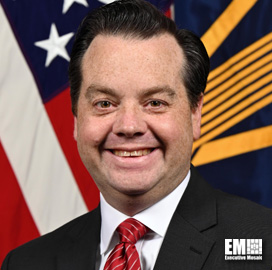
Cameron Stanley, who will deliver the summit’s keynote address, previously led the Pentagon’s Project Maven, one of the military’s largest AI algorithm development and deployment initiatives. In that role, Stanley oversaw more than $400 million in research and development funding and managed cross-functional teams developing AI-powered analytic capabilities for defense operations.
Before joining Amazon Web Services as national security digital transformation lead, Stanley served in several senior government roles including science adviser at U.S. Southern Command, where he helped establish the command’s artificial intelligence execution strategy and identify emerging technologies with potential military applications.
Another defense AI leader speaking at the summit is Chandra Donelson, chief data and AI officer for the U.S. Space Force, where she oversees data, AI and software initiatives across a $4 billion portfolio designed to enhance operational decision-making and mission readiness.
Donelson has emphasized that successful AI adoption requires leadership willing to translate experimentation into real operational outcomes.
“The most disruptive skill in the world is simply having an idea,” Donelson said during a keynote at the Pacific Insurance Conference, according to coverage from PRLog. She added that organizations must focus on turning those ideas into measurable value through disciplined AI implementation.
Donelsen will speak on the Operationalizing Vetted, Decision-Ready AI panel at the Artificial Intelligence Summit at 1:30 p.m. Stanley’s keynote will open the event at 8:05 a.m.
How Is AI Strengthening National Security, Disaster Response and Supply Chain Protection?
Artificial intelligence is also playing a growing role in strengthening national security operations and improving situational awareness during crises.
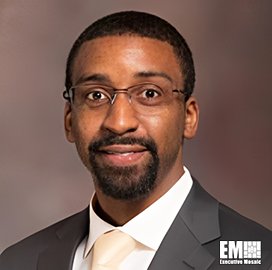
Delester Brown, chief data and AI officer at the National Guard Bureau, has highlighted the potential for AI to transform disaster response and resource allocation during emergencies.
“The National Guard will be able to maximize AI to optimize the use of resources, reducing waste and ensuring that aid is delivered where it is most needed,” Brown said in comments to National Guard Magazine.
Brown added that AI provides “an exponential multiplying effect to those willing to use it” and supports capabilities such as Project Theia, a system that analyzes aerial video feeds to improve situational awareness during natural disasters.
At the Defense Counterintelligence and Security Agency, Wallace Coggins is leading efforts to apply artificial intelligence to security investigations and supply chain risk analysis.
“AI plays a crucial role in safeguarding the military and its industrial base against espionage and data breaches,” Coggins said during a Pentagon meeting cited by National Defense Magazine.
He noted that the agency conducts roughly 10,000 background investigations per day, a volume of data that makes automation and advanced analytics increasingly valuable for identifying security risks.
At the 2026 AI Summit, Brown will join the Operationalizing AI at Scale: Bridging the Gap from Prototype to Mission Impact panel at 11:00 a.m.
Coggins will participate in the Integrating AI into Legacy Federal Systems: Architectural Patterns that Work panel at 9:50 a.m.
How Are Federal Agencies Using AI in Law Enforcement, Healthcare and Regulation?
Beyond national security missions, federal agencies are also integrating artificial intelligence into law enforcement operations, healthcare data systems and regulatory oversight.
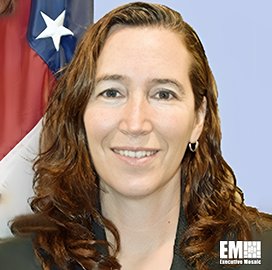
Katie Noyes, chief AI officer at the FBI, has said the agency is working to build a workforce capable of identifying emerging threats such as deepfakes.
“One of the things we’re challenged by … is how can we detect deepfakes?” Noyes said during a technology conference cited by MeriTalk. She added that the FBI is focusing on recruiting technical talent and upskilling existing personnel to strengthen its AI capabilities.
In the healthcare sector, Dr. Jesus Caban, chief data and analytics officer at the Defense Health Agency, leads initiatives to expand the use of data science and artificial intelligence across the military health system.
Caban has contributed to major Department of War health data programs including the MHS Information Platform, a system designed to improve access to medical data across military healthcare organizations.
Meanwhile, Mark Gray, chief information officer, chief data officer and chief AI officer at the Federal Trade Commission, is overseeing efforts to establish governance frameworks for artificial intelligence within the agency.
“We’re splitting time in our data governance board meetings between the data governance side and the AI governance side,” Gray said in an interview with FedScoop, noting that the agency is developing policies to ensure AI technologies are deployed responsibly.
Hear from Noyes at the 2026 Artificial Intelligence Summit on March 18 on the Building Mission-Ready AI Infrastructure: Designing a Data and Security Foundation for the Future panel at 11:00 a.m.
Dr. Caban will speak on the Does Your AI Play Well with Others? panel at 9:50 a.m.
Catch Gray’s thoughts during the SaaS App Model Is Dead: Why AI Infrastructure Will Unify Your Data Estate panel at 1:30 p.m.
Why Is the 2026 Artificial Intelligence Summit Important for Industry?
The Potomac Officers Club’s 2026 Artificial Intelligence Summit is the place to hear from the top chief AI officers in the federal government. GovCons will be afforded the opportunity to participate in Q&A, network and learn about their mission plans.
The March 18 event will bring together senior federal leaders and industry executives to discuss how artificial intelligence is shaping government missions and technology investments.
Sessions will cover topics including:
-
Integrating AI into legacy federal systems
-
Operationalizing decision-ready AI
-
Scaling AI from prototype to mission impact
-
Building mission-ready data and security infrastructure
For government contractors and technology companies working in artificial intelligence, data analytics, cloud computing and cybersecurity, the summit provides an opportunity to hear directly from the federal officials responsible for shaping AI strategy across multiple agencies. Register now!


Category: Articles