Top NIH Official: Education Is Key to Avoiding Federal AI Buyer’s Remorse
Educating federal staffers on the true potential of AI and what it can reasonably achieve is key to avoiding buyer’s remorse, according to a panelist at the Potomac Officers Club’s 2025 Healthcare Summit.

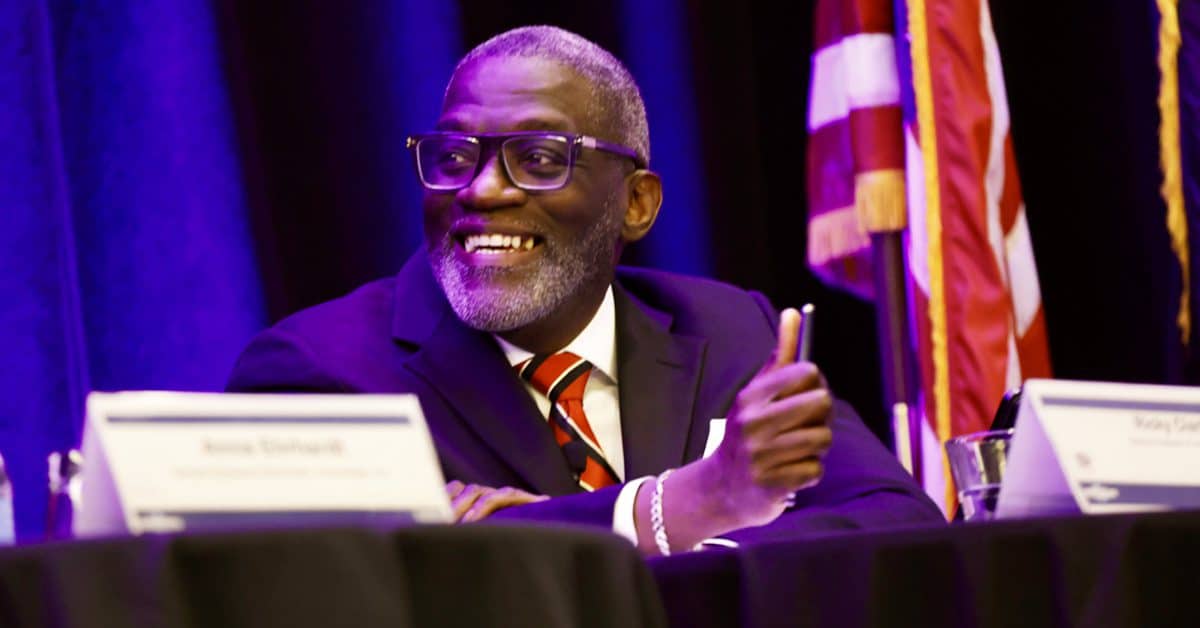
Ricky Clark, National Institutes of Health Information Technology Acquisition and Assessment Center director, said on Thursday that many agencies spend a lot of money on AI, but become unhappy with it. Much of this is because they have unreasonable expectations for the technology.
“AI is a lot of things, but it, technically, isn’t a magic wand,” Clark said. “We have to do a much better job educating people on what it is capable of.”
Hear more advice from top federal officials on how to best implement AI efforts at the Potomac Officers Club’s 2026 Artificial Intelligence Summit on March 18! Discover new partnership opportunities at illuminating panel discussions like “Integrating AI into Legacy Federal Systems: Architectural Patterns that Work” and “Automating Government with AI.” Secure your seat today!
Clark said when agencies say AI isn’t working for them, it’s not because of the application, but instead that people didn’t understand the process. Humans are creatures of habit, he said, and the key is to take them out of their comfort zone.
“AI is a lot of things, but it, technically, isn’t a magic wand,” Clark said. “We have to do a much better job educating people on what it is capable of.”
How Can Federal Officials Justify Spending on AI?
Measuring productivity gains to justify spending on AI is critical to achieving success with the technology, said another panelist. Travis Hoppe, Centers for Disease Control and Prevention acting chief AI officer, explained that one of the best ways to achieve productivity gains with AI is to measure them.
The CDC, he said, is trying to operationalize its returns on investment. It has Microsoft Copilot to help with meeting transcription. Agencies should figure out the total addressable market for each AI tool and service and quantify how much the tool is worth to the agency.
“People will say ‘this tool is worth $100,000 or $1 million to the agency because we will save this amount of money,’” Hoppe said. “You need to have those arguments when you start going to the [chief information officer] or your department’s CIO and saying whether this tool is worth it, or not.”
What Is the FDA Doing With AI?
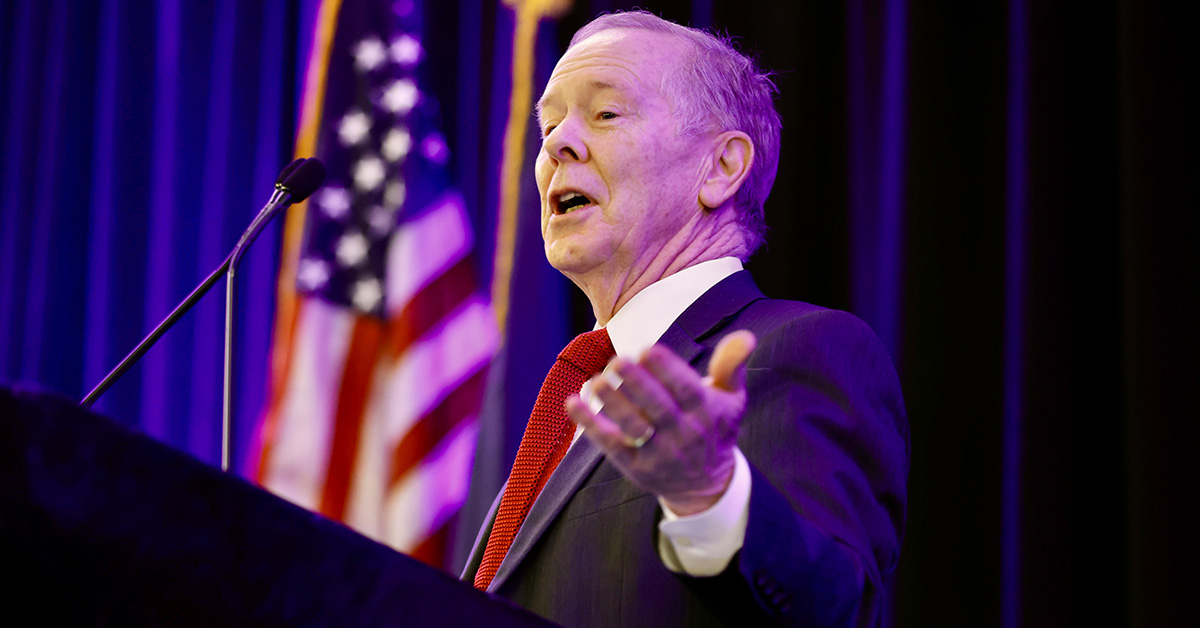
The Food and Drug Administration is focusing on growing return on investment in its work with AI, according to a top official. Dr. Barclay Butler, FDA deputy commissioner for operations and chief operating officer, told the 2025 Healthcare Summit during his opening keynote that the agency has experimented and piloted AI for years, but is now scaling platforms and data, rearchitecting workflows and expanding automation into workflows to scale efficiency and ROI.
Get actionable business intelligence from the Pentagon’s top AI official at the Potomac Officers Club’s 2026 Artificial Intelligence Summit on March 18! Get your pressing questions answered by Cameron Stanley, the Pentagon’s chief AI official, following his keynote address. Spark up collaborations with other GovCon titans. Buy your ticket now!
Butler said AI starts to pay off when it is built into workflows. He expects AI to achieve the same rapid productivity gains as the personal computer did in the 1990s and early 2000s.
The future of FDA-wide AI, Butler said, is where AI bots can be broken down into reusable elements. These could be rearranged, or even self-discovered, to where the bot can find another bot to answer a particular question. The agency isn’t there yet, he said, but is headed in that direction.
“AI is a lot of things, but it, technically, isn’t a magic wand…We have to do a much better job educating people on what it is capable of.” — Ricky Clark
The FDA has AI performing various paperwork tasks that help it better communicate with the public and industry. Butler has AI performing Freedom of Information Act redactions, which restrict competition-sensitive, proprietary or legally-protected information from public view. He said he gets 6,000 FOIA requests per month.
Butler also has AI working on adverse events, as the FDA used to publish adverse events once per quarter. Now it’s publishing thousands of adverse event letters per day, which Butler said, in turn, reduces the amount of FOIA requests he receives.
How Is AI Improving Military Healthcare?
Military health officials appreciate AI for its use in notetaking of conversations between patients and clinicians, for both improving communication and freeing up clinicians to focus on higher priority tasks. Capt. (Dr.) Victor Lin, Navy clinical informatics specialty leader, said on a panel discussing modernizing healthcare delivery that the service is piloting a large language model-based ambient listening capability. This will automatically generate patient notes from a conversation between a provider and a patient and prevent providers from having to stay late making notes.
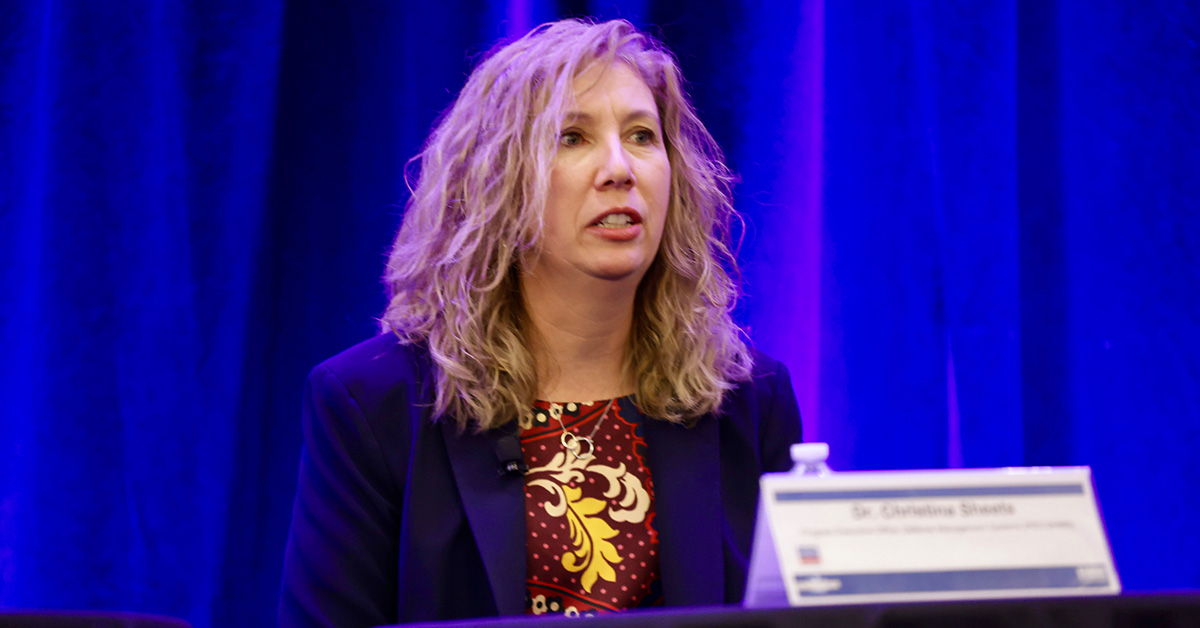
Dr. Christina Sheets, Department of War Healthcare Management System Modernization program manager, said on the panel examining streamlining government health operations that ambient listening allows providers to better focus on patient concerns during visits. Patients feel hurt and unheard, she said, when providers are paying more attention to a computer to take notes, rather than patients.
“This is a revolutionary technology for providers,” Dr. Sheets said. “Providers hate writing notes.”
Capt. Lin has advice for military health officials who want to improve AI adoption—incorporate the tool into everyday use. Allowing these health professionals to be accustomed to AI tools will improve the DOW’s medical readiness and viability in the field, he said.
Category: Articles