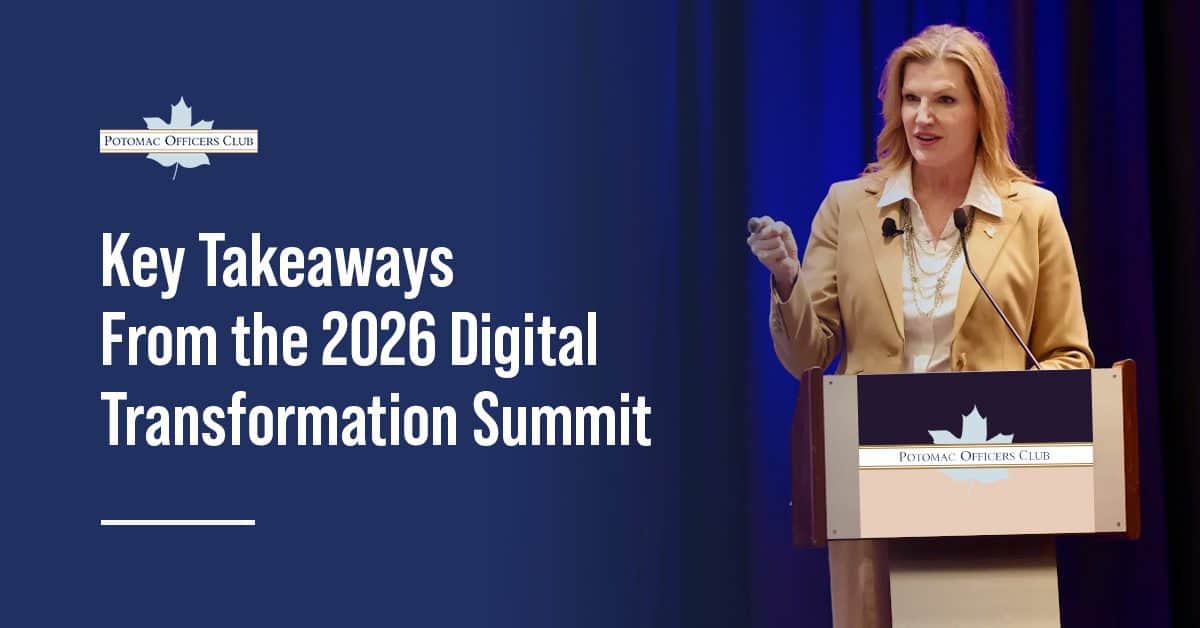
Pentagon CIO Kirsten Davies keynotes the 2026 Digital Transformation Summit on April 22. Photo: Executive Mosaic
Key Takeaways From the 2026 Digital Transformation Summit
Co-authored with Pat Host and Gabriella DeCesare
Potomac Officers Club began quarter two of the year with the timely, mission-focused 2026 Digital Transformation Summit. The event, held on Wednesday, April 22 at the Hilton McLean in Virginia, was a hub for in-depth discussions of how industry and government are partnering to use technology to make their efforts more efficient, exacting and explainable. Keynotes from influential leaders at the Departments of War and Transportation anchored the event while panel sessions examined AI, mission engineering, case management and much more.
Below you’ll find the primary takeaways from the event. Please be sure to take a look at our upcoming schedule of monthly GovCon events and sign up for our 2026 Cyber Summit, fast approaching on May 21, where we’ll host prominent federal leadership including two DOW keynote speakers and two from the White House. Register now!
What Were the Primary Takeaways From the 2026 Digital Transformation Summit?
Digital Transformation Is a Strategy
A central theme of the summit was that digital transformation extends far beyond technology. It requires rethinking organizational structures, processes and user experience. Leaders emphasized that transformation must prioritize people, from system usability to workforce adoption.
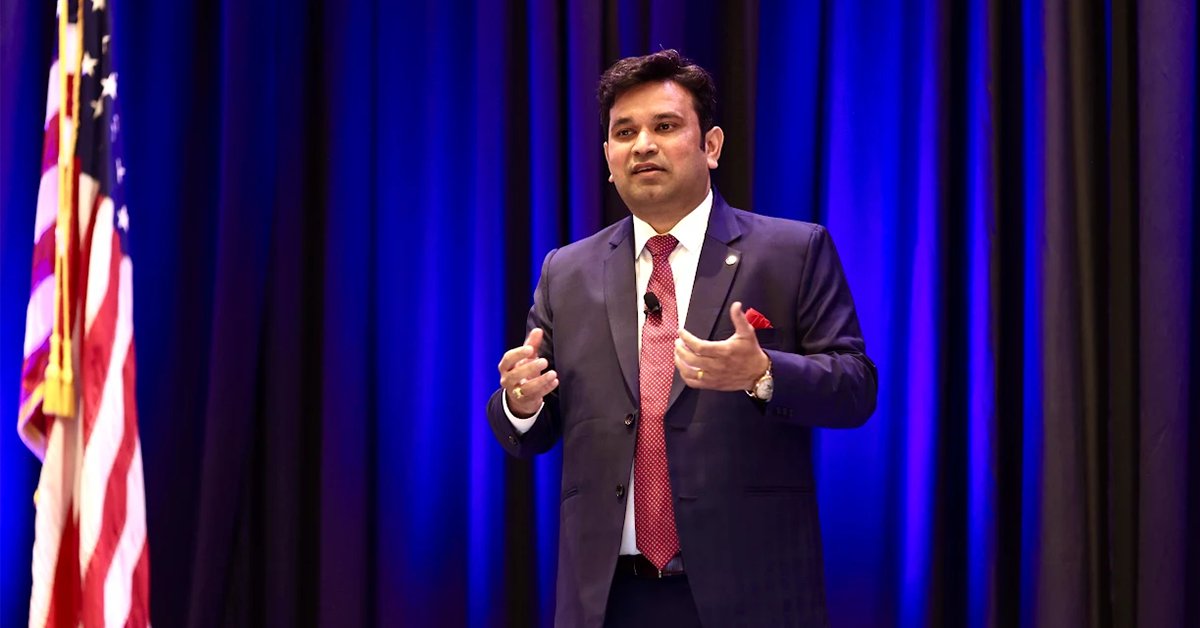
Department of Transportation Chief Digital and Information Officer Pavan Pidugu described how the Department of Transportation is restructuring its IT environment to eliminate silos and improve efficiency, including the creation of centralized shared services and “digital factories” to accelerate software delivery.
He also highlighted the importance of measurable progress and a cultural shift in line with departmental transformation priorities.
“If we can’t show incremental progress, there is no point in doing it. That’s the culture we are building from ground up and top down. This is the beginning of the journey for us at DOT as we go through this massive transformation,” Pidugu, a 2026 Wash100 Award winner, said.
Real-world examples underscored the urgency. In one case, frontline personnel were forced to use multiple disconnected systems, creating inefficiencies and safety risks — a challenge now being addressed through streamlined, intuitive tools.
Microsoft General Manager of DOW Mik Wimbrow said during an AI-focused panel that challenges with digital transformation is fundamentally a culture and people problem, but that ultimately comes down to leadership.
“Modernization is a culture change, leaders provide strategy, clarity and evolve policy,” Wimbrow said. “We have to have leaders come together and agree on what the outcomes are, what risk we’re going to accept, and then set some policy to enable this to happen… Otherwise, we will continue to be stuck with the results of pilots and tests, because that’s all we empower our action officers at the lower level to.”
Without clear direction and aligned policies, agencies risk remaining stuck in pilot phases rather than scaling enterprise-wide transformation.
“I [tell] people: don’t worry about needing to use AI for everything. Just find the one thing you can use AI for that makes your day better. That’s it. Just one tiny thing. [Then] you are good.” —DOT’s Neil Chaudhry

Proper Requirements Critical to Implementing Advanced Technologies
Digital Transformation Summit participants consistently cited that the proper formulation of requirements is critical to successfully implementing advanced technologies. Many times, true modernization ends up resembling technical upgrades because acquisition professionals lose focus on their ‘north star’: what they ultimately want to get from these advanced technologies.
“The technology is a means to an end. We lose that outcome focus, and many times, it’s because the people who own the requirements aren’t introspective enough,” said Louis Koplin, Navy program executive officer for digital and enterprise services. “They can’t articulate their outcomes. We have to be humble…[we] can’t buy something too big to succeed. Scale things down. Get to evidence-based outcomes and not PowerPoint-based outcomes.”
The Government Accountability Office has covered challenges federal agencies face when performing large IT system acquisitions. Putting in the hard work to properly define, and stick to, requirements in advanced technology acquisitions is essential.
“So much of it comes down to poor definition of requirements or planning,” said David Hinchman, GAO federal senior executive for cybersecurity and IT modernization. “Everyone needs to understand what this is about and what this transformative tech will do. The problems we see are when you don’t have the requirements defined.”
A Department of the Interior official described her model for AI acquisition: procuring in small chucks with well-defined requirements.
“We are now moving ahead with artificial intelligence, small scope,” said Andrea Brandon, DOI deputy assistant secretary for budget, finance, grants and acquisition. “Very well-defined requirements, small scope: this is what we’re going, we’re trying to get from point A to point B. We’re testing it. We’re looking for hallucinations from bias.”
Tech Should Be Mission-Aligned, Not Innovation for Its Own Sake
Breakthrough and emerging technologies can be transformative for organizations, event participants agreed. But how they’re utilized and the impacts they have should guide how federal agencies think about implementation.
Robert Longo, senior vice president of capture strategy and business development for SMX’s enterprise systems and solutions business unit, put it simply during the lunch panel session: “A fool with a tool is still a fool.”
Great tools, if wielded thoughtlessly, have negligible impact, Longo suggested.
Instead, he identified SMX’s strategy with government systems as being guided by functionality.
“We don’t lead with technology; we know how to use technology in context of the functional domain,” Longo stated.
Carnegie Mellon’s Greg Touhill during his panel said that the AI “hype cycle” is instigating a rush to go to market with a new AI technology, even if the problem it’s solving hasn’t been clearly defined.
“You’ll get better responses if you have a sober and disciplined approach: what am I trying to do, how do I get success? Don’t change the whole organization just because you’re buying a new piece of technology,” Touhill said.
During her panel on case management, Elizabeth Messenger, director of the Office of Labor-Management Standards at the Department of Labor, made clear through her contributions that the government’s cautiousness and slow pace of adopting cutting-edge tech is part of why the GovCon environment is not one really behooved by jamming in the latest and greatest tools.
Messenger said that while DOL is using AI, it’s mostly just for audits at this point and they have very strict guidelines for what they can and can’t use AI for. She also said that despite the current administration’s focus on commercial-off-the-shelf services, it’s difficult to transition from the era where everything was custom-built.
“[The custom-built solutions] really inhibited our ability to, not just modernize, but adapt and even to use our smartphones. Right now, it’s just easier for us to utilize a platform or a software to accomplish whatever those goals are,” Messenger said.
“Technology for technology’s sake doesn’t really help our organization. It needs to drive mission outcome. It needs to help an organization transform itself so that it does something bigger and better than it had been doing before the adoption of that technology,” Longo laid out.
“[We] can’t buy something too big to succeed. Scale things down. Get to evidence-based outcomes and not PowerPoint-based outcomes.” —Navy PEO Digital Louis Koplin
Cybersecurity Must Enable, Not Slow, Innovation
As agencies accelerate digital transformation, cybersecurity remains a top priority, but leaders emphasized it must function as an enabler, not a barrier, to progress.
Pavan Pidugu underscored the importance of adopting modern cyber frameworks while maintaining agility, particularly as agencies push to deliver capabilities faster and at scale.
“We are making sure that the frameworks that we are using in our cyber are modern, with zero trust, but at the same time, the important thing to know is cyber security or the framework should not hinder innovation,” he said.
He pointed to modernization efforts at DOT, including large-scale system transitions and accelerated deployment timelines, as examples of how speed and security must align. In federal environments, traditional acquisition cycles and lengthy authorization processes can become major bottlenecks if they are not rethought alongside technology upgrades.
“If my acquisition process doesn’t allow me to [launch in four months], if my security ATO process doesn’t allow me to do that, or if any other processes that are, you know, simple compliance check boxes delays these things, then the innovation hinders, the ability to deliver at the pace that the technology can be delivered is slowed down,” he said.
For government contractors, the takeaway is clear: delivering innovation to federal clients will require secure, zero trust-aligned solutions, and accelerated timelines that enable agencies to keep pace with rapidly evolving demands.
Dive deeper into the balance between cybersecurity and modernization at the 2026 Cyber Summit on May 21 for the exclusive opportunity to hear from top cyber officials from across DOW, Air Force, Army, FBI and FedCiv agencies.
Agencies & Industry Are Seeking Unified Platforms
The cry for breaking down stovepipes and siloes in technology is not a new one in GovCon. But judging from the Digital Transformation Summit, its challenges have not been solved. Participants at the event described the various ways a lack of interoperability between systems hindered their progress.
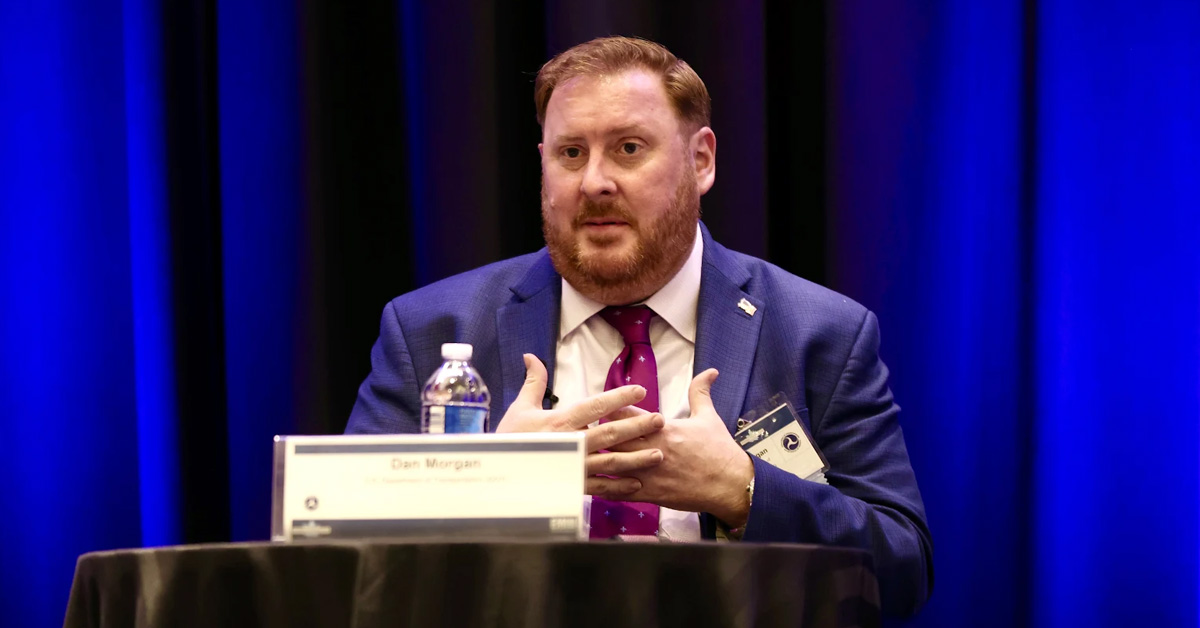
Dan Morgan, chief product and technology officer at the Department of Transportation, said that the “very multi-cloud situation” that DOT and agencies at large operate within means “data now lives in many places” and that any of the platforms his team uses for case management need to be able to freely pull from and communicate with the various homes where that data lives, so to speak.
He shared a particularly compelling insight about how the use of AI in commercial CSPs is preventing interoperability.
“Cloud-based SaaS providers in general are all adding AI to their stuff so that I get stuck in there. And I don’t want that,” Morgan said. “So I think everybody needs to know that we need to cooperate and collaborate, because I understand why people want to keep us sticky in their individual platforms, but my data needs to be portable and my insights need to be mine. And in my control.”
In his keynote address earlier in the day, Pavan Pidugu, Morgan’s DOT colleague, highlighted a broader, more sweeping vision for platform unification in the department’s 1DOT initiative.
Pidugu described 1DOT as “unifying the various modes across the DOT starting from [Federal Aviation Administration] all the way to [the Maritime Administration] or even U.S. Merchant Academy that produces the MET engineers for the country in the future. How do we unify that much strength and the cross leverage between the modes of transportation?”
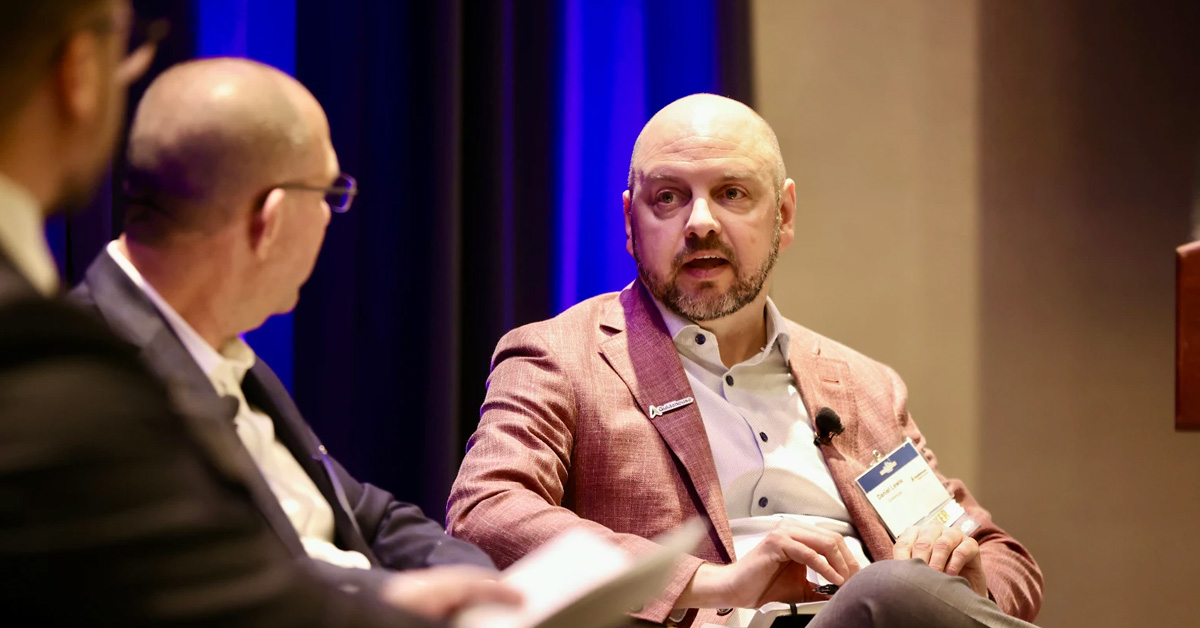
The idea that a broader sense of organizational unification would in turn create technological and mission harmony was reflected in Guidehouse Director of National Security Daniel Lewis’ thoughts shared during the lunch panel session, which discussed the business of digital transformation in an AI-driven market.
Lewis told the audience that Guidehouse’s single platform, housing government and commercial business all in one ecosystem, allows them to cull the best approaches and talent to complete the mission, whether it’s IT, OT or otherwise.
“When I’m doing something IT, OT or a digital transformation…I can bring somebody in that comes from commercial, has done IT, provider basically the same [credentials]. And there’s no challenges to that cross-communication, which actually allows us to, number one, develop a solution that brings in the best practices from all of industry. And then number two, is really to bring the best people too,” Lewis said.
Training Staffers Is Essential to Growing Emerging Tech Use
Another stubborn theme throughout the day was the immense importance and value in properly training federal staffers on emerging technologies and bringing digital culture to life. One government technology professional shared his strategy for breaking down barriers and encouraging the use of advanced technologies like AI: explain to them how they already use AI in their day-to-day activities, and then encourage them to take another step.
“Once you sort of describe it that way, they start getting it,” said Neil Chaudhry, Department of Transportation senior advisor for the Highly Automated Systems Safety Center of Excellence. “I [tell] people: don’t worry about needing to use AI for everything. Just find the one thing you can use AI for that makes your day better. That’s it. Just one tiny thing. [Then] you are good.”
A Pentagon officer explained the criticality of proper training on emerging technologies, especially in stressful and high-consequence situations like combat.
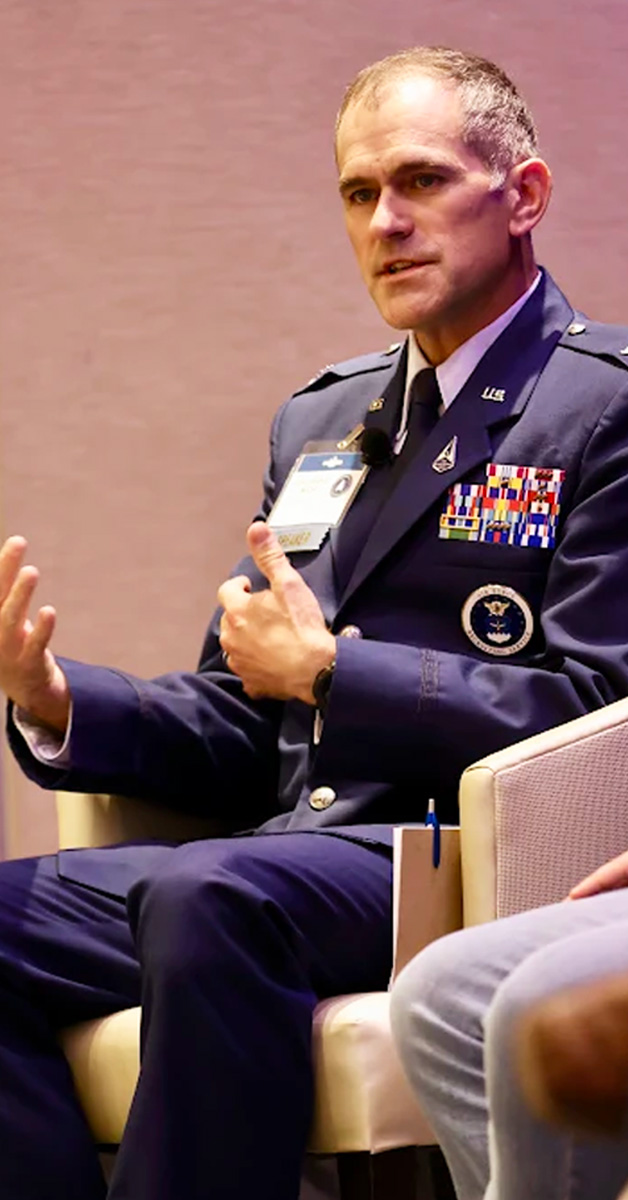
“Focus on a couple different dimensions: ease of use and direct applicability to the problem,” said Col. Jonathan McCall, Space Force deputy director for space and the Advanced Battle Management System cross-functional team. “We have airmen and guardians in harm’s way around the world. When they are under pressure and have a mission to perform, they’ll default to what they know. We’ve seen it in Operation Desert Storm and Afghanistan and now. That tends to go to the Microsoft Office weapons system.”
Another DOT technology executive said many federal staffers are overwhelmed by the speed and scale of AI adoption. He said training needs to be hands-on and tailored for the staffers’ specific mission for maximum effectiveness.
“We need to teach people where they sit how to use the things we’re providing,” said Justin Ubert, DOT director for cyber protection. “Simple prompting or how to pull together workflows and buttress them, what this large language model is good for, how to use robotic process automation. We need to meet people where they’re at and show them how to harness this. If we’re doing things just for the sake of doing them, that’s silly to me.”
Trust and Transparency Are Key to Better Emerging Tech Use
Trust and transparency was a recurrent theme throughout the 2026 Digital Transformation Summit: people won’t use emerging technologies if they can’t trust the information and results they produce.
Greg Touhill, Carnegie Mellon University Software Engineering Institute director for CERT, wants models that are transparent: where did the training data come from and how was the algorithm pulled together?
“I want transparency, where I know that capability was secure by design and I have some measure of understanding whether it’s efficient and secure,” Touhill said. “Is this machine capability giving me the right answer and drawing the right conclusion? Has it been trained right and red-teamed? Is it trustworthy and worth the risk?”
Another panelist said trust and transparency are essential for achieving decision advantage with human-machine teaming. If a staffer wants to move at real-time speed and make a decision using human-machine teaming, he or she needs to both trust, and be able to validate, the information he or she receives.
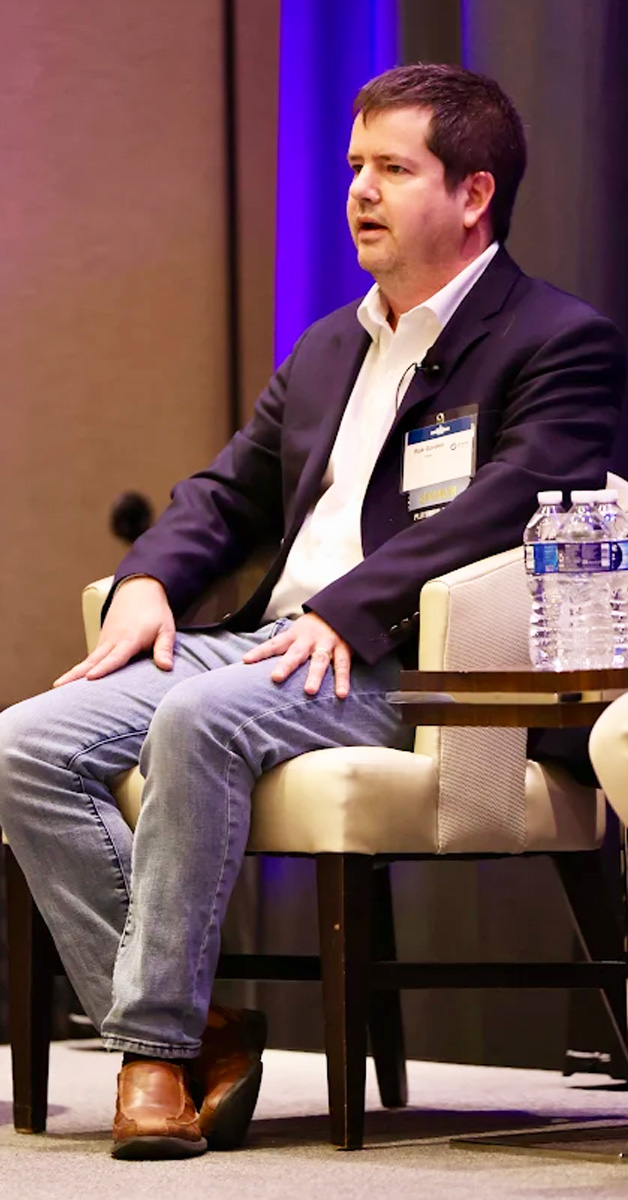
“Being able to know explainability: how it arrived at that, what resources it used,” said Rob Gordon, OMNI chief technology officer. “How can I get this info, process it at the speed of need for warfighting and have an accurate and understandable view of [the AI’s confidence]? It’s really hard and you’ll never get people to use it if they can’t trust it.”
Government Needs Forward-Looking Solutions and Shared Modernization from Industry
Government leaders made it clear that near-term solutions are not as valuable as forward-looking efforts. Agencies are seeking industry partners that can anticipate mission needs years in advance and architect solutions accordingly.
Nichole Hyter, who works in the DOW Program & Financial Control Directorate in the Office of the Under Secretary of War (Comptroller), emphasized the need for a shift in mindset, urging contractors to think beyond immediate requirements.
“We need more forward-leaning, forward-thinking people… we need future-back thinking… not delivering what I need right now, but looking five-to-10 years forward and then bringing us back from that,” Hyter said.
The approach is critical as agencies work to avoid costly, repetitive modernization cycles that can stall mission progress and strain budgets. Without long-term vision, today’s solutions risk becoming tomorrow’s legacy systems.
While Hyter emphasized the importance of forward-looking strategy, Pentagon CIO Kirsten Davies followed up by mapping vision to responsibility during her closing keynote. She urged industry partners to prioritize modernization within their own organizations as a prerequisite for effectively supporting government missions.
“For our defense industrial base partners, you need to get after your modernization as well. Why? Because you are limited as we are. You are limited in your innovation by the level of modernization that you have across your own infrastructure.” Davies said, emphasizing “The height, breadth and scale of your innovation will be anchored by the amount of tech debt you have.”
The Wash100 recipient’s remarks highlighted the shared responsibility between industry and government in advancing the broader federal modernization effort.
Without addressing internal legacy infrastructure, industry risks limiting its ability to meet government expectations and keep pace with evolving mission demands. Firms that modernize their own environments will be better positioned to deliver transformative capabilities to government customers.
For GovCon executives, the implications are clear: competitive advantage will increasingly depend on internal digital maturity and forward-looking solutions.

Category: Articles