5 Reasons Why GovCon Leaders Should Attend the 2026 Intel Summit
- The 2026 Intel Summit will feature keynote speakers from the CIA, NSA, NRO, DHS, Space Force, FBI and DEA
- Panels will explore AI adoption, OSINT for counterespionage and FEOC regulations
- Networking sessions will give attendees opportunities to connect with leading IC partners
The intelligence community is confronting the challenges of a changed information environment where artificial intelligence dominates, ramping up the spread of disinformation and intrusion into critical national systems. At the same time, AI presents a rare opportunity to evolve the intelligence tradecraft by automating the process of collecting and analyzing data, allowing human intelligence agents to find patterns and quickly identify and eliminate threats before they cause lasting damage.

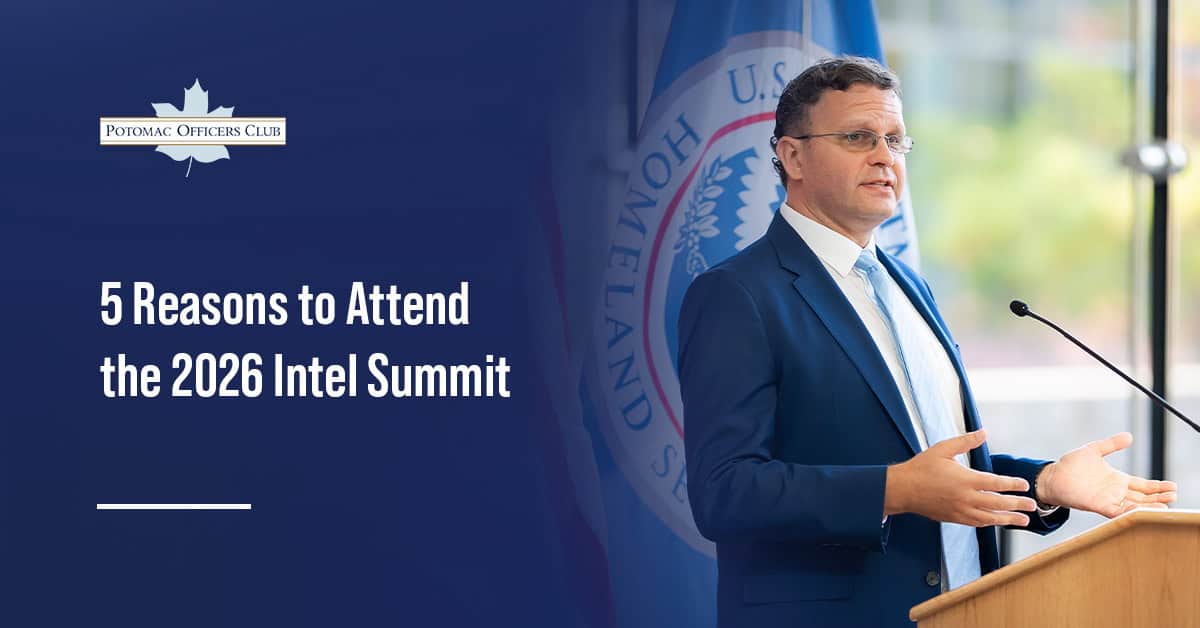
It is in this context that the Potomac Officers Club’s 2026 Intel Summit will convene senior intelligence community leaders to discuss how emerging technologies are transforming intelligence operations. Happening on Sept. 24 at the Falls Church Marriott Fairview Park in Virginia, the event is an important gathering for government contractors tracking where the IC’s priorities and investments are trending. Get your tickets here before it’s too late!
Why Should GovCons Attend the 2026 Intel Summit?
1. Hear Insights Directly From Senior IC Leadership
For this year’s edition of the Intel Summit, the Potomac Officers Club invited senior leaders from the intelligence community to provide insights on where agency investment and modernization efforts are headed in the coming years and threats defining the IC’s mission today.
Keynote speakers include:
- Dustin Gard-Weiss, executive director of the CIA
- Matthew Kozma, under secretary for intelligence and analysis at the Department of Homeland Security
- Ryan Lewis, chief architect for the Signals Intelligence Directorate at the National Reconnaissance Office
- Tim Kosiba, deputy director of the National Security Agency
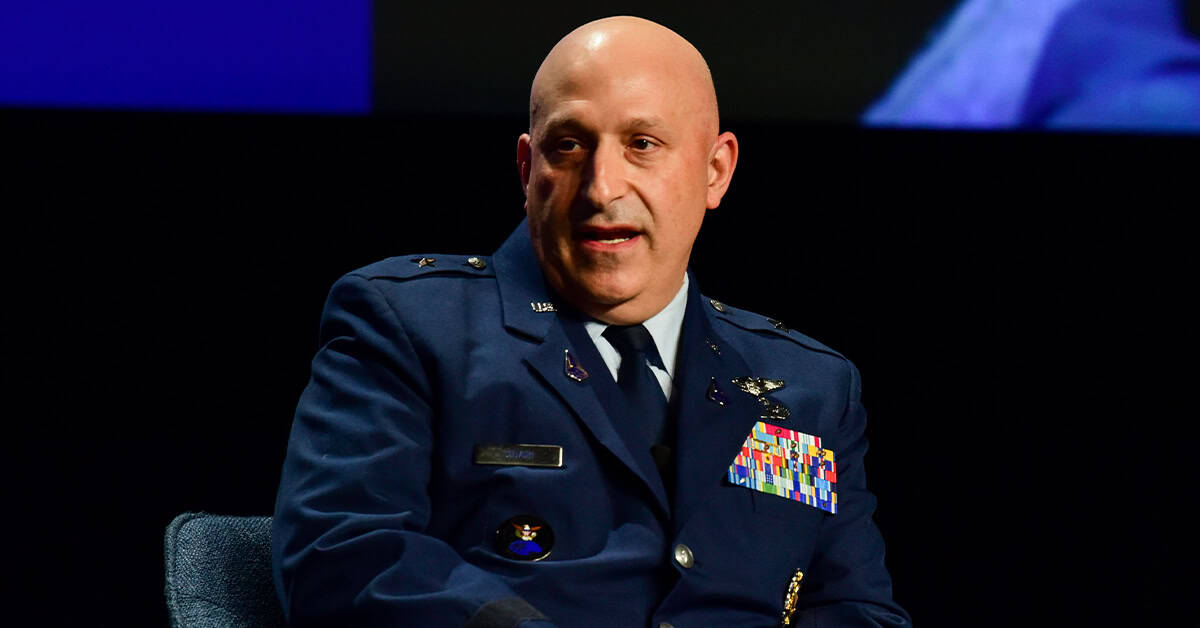
- Maj. Gen. Brian Sidari, deputy chief of space operations for intelligence at the Space Force
- Carrie Thompson, deputy assistant administrator at the Drug Enforcement Administration
- Matthew Fodor, operations director for the FBI’s National Security Branch
2. Get the Full Picture on AI Adoption in the IC
The 2026 Intel Summit devotes five panels to AI, spanning the full range of challenges and opportunities the adoption of the technology presents to the IC.
The No Mission AI Without the Data: Building the Governed Foundation for Agentic Advantage panel will bring together defense and intelligence leaders deploying AI agents across finance, contracts, capture management and cybersecurity without compromising mission accountability.
The Agentic AI Across Mission and Enterprise: From Pilot to Production at the Decision Edge panel will convene program executives, chief AI and data officers, and integration leaders to discuss fusing mission and enterprise data to support faster decision-making at the edge.
Discussions during the Elevating Intelligence Operations With AI panel will explore how the technology is enhancing efficiency, transparency and responsiveness. It will also feature real-world examples of AI use cases in the IC.
The conversation also examines the risks of agentic AI to the IC. The Agentic AI and Quantum Risk: The Blast Radius Problem in Classified Environments panel will dive deep into how adversaries are using agentic AI to automate cyber intrusion, and how government and industry are working to contain the fallout before quantum-enabled attacks can compromise the nation’s most sensitive classified systems. Meanwhile, the Cybersecurity in the Age of Agentic AI panel will break down the rapid compression of zero-day discovery-to-exploitation timelines driven by agentic AI, and what organizations can do to secure their systems against the emerging threat.
3. Learn How OSINT Can Strengthen Counterespionage Efforts
Foreign adversaries, particularly China and North Korea, are increasingly targeting American companies and research institutions to steal trade secrets and proprietary research and technology that underpin the nation’s economic and military edge.
Open source intelligence, or OSINT, can become a critical tool for uncovering threats before they cause lasting harm.
The Open Secrets: The Power of OSINT in Counterespionage of Intellectual Property Secret and Protection of the U.S. RDT&E Enterprise panel will explore how intelligence officials are utilizing OSINT to expose and foil the evolving strategies of hostile nation-states and safeguard American ingenuity from foreign spies. The panel will convene experts on military intelligence, counterintelligence and OSINT, including:
- Stephen Pierce, director of Naval Intelligence Activity, N3, at the U.S. Navy
- James Cangialosi, deputy director of the National Counterintelligence and Security Center
- Dennis Wilder, a former China military analyst at the CIA
- Jarrod Gack, senior program manager at SAIC
- Jason Lee, senior director and chief intelligence officer at Moody’s Analytics (moderator)
4. Keep Pace With Changing FEOC Requirements
Foreign entities of concern, or FEOC, regulations limit the participation of covered-nation entities — which include China, North Korea, Russia and Iran — in supply chains.
During the Navigating the FEOC Frontier: What Emerging Regulations Mean for DOW and the Intel Community panel, senior Department of War and Department of Energy officials will sit with tax and industry experts to identify regulatory gaps, define what real supply chain visibility requires, and assess the open-source data and corporate network intelligence tools government and industry need to comply with evolving regulations.
Panelists include:
- Rebecca Keiser, chief of research security strategy and policy at the National Science Foundation
- Rebecca McWhite, technical lead for cybersecurity-supply chain risk management at the National Institute of Standards and Technology
- Leo Alvarez, principal at Baker Tilly
- Michele Iversen, principal and head of geopolitical & regulatory risk at the Chertoff Group
- Dana Barnes, president of TRSS (moderator) and a four-time Wash100 Award winner
5. Build Relationships With the Leading Companies Powering the IC’s Mission
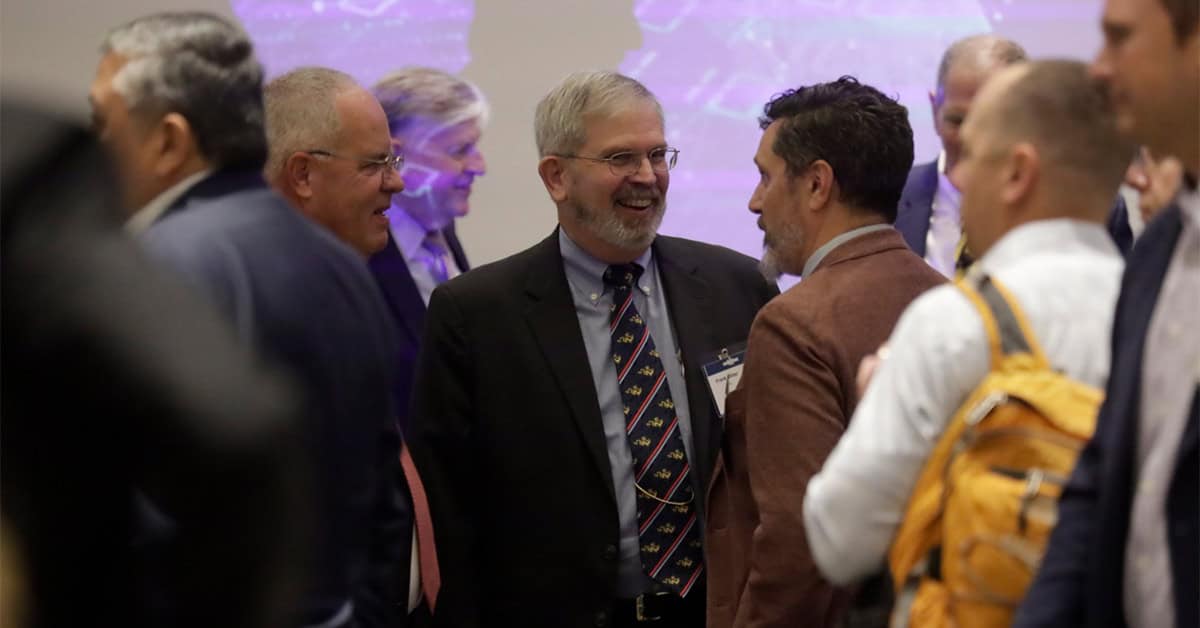
Beyond the keynotes and panels, the 2026 Intel Summit puts attendees in the same room as the companies actively delivering technology and services to the IC. Representatives from established primes to specialized data and analytics providers will be present at the event.
Sponsors include: TRSS | SAP NS2 | SOSi | Moody’s | Snowflake | MANTECH | AT&T | Legion | SAIC | Windward | Kpler | Lloyd’s List Intelligence | Recorded Future | SpyCloud | Everfox | Fortreum | ForwardEdge
Networking sessions are built into the agenda, giving attendees plenty of time to connect with potential teaming partners or subcontractors. For government contractors, the event presents a unique opportunity to build valuable connections that help win future contracts and grow their footprint within the IC.
How Can the 2026 Intel Summit Drive Your Business Growth?
The 2026 Intel Summit gives contractors direct visibility into where IC organizations are investing their funding, insight that’s difficult to gather anywhere else in a single day. Keynote speakers are expected to lay out agency priorities, while panel discussions will dissect the challenges agencies are working to address.
Insights gained from the summit enable organizations to anticipate agency needs and refine their pursuit strategies before federal initiatives are formally announced, giving them a head start over competitors still working from public solicitations alone. In a highly competitive industry like GovCon, timing matters as much as the quality of the proposal.
In a rapidly shifting threat landscape, the 2026 Intel Summit provides the strategic insight and high-value connections needed to stay aligned with evolving mission demands. Register today!

Category: Articles