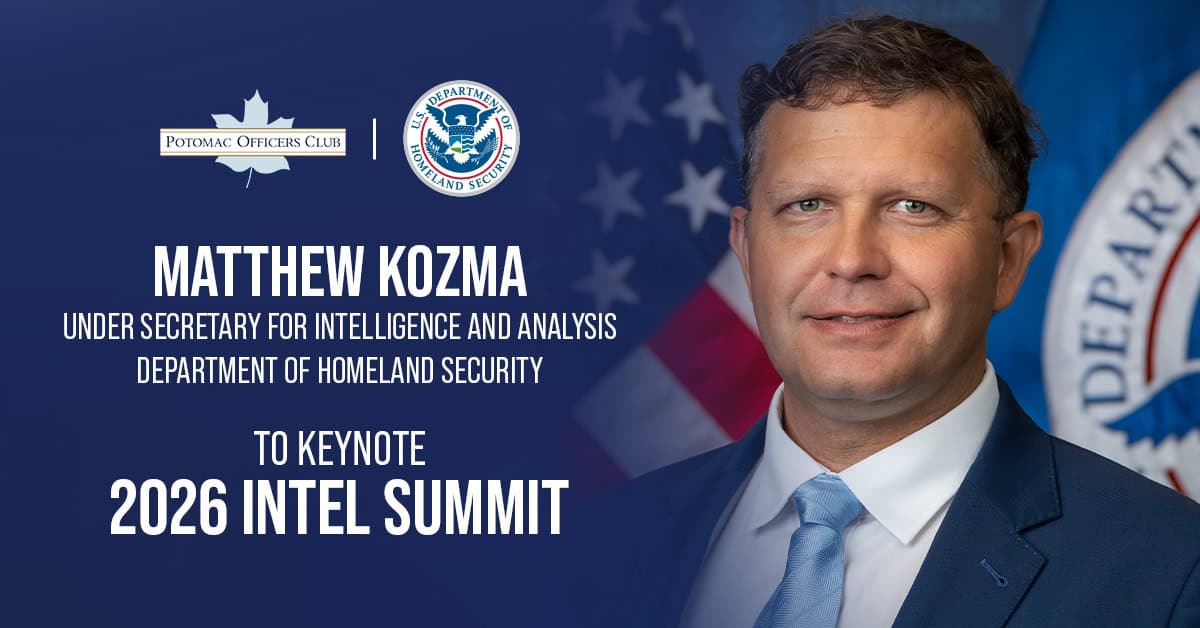
DHS Intelligence Leader Matthew Kozma to Keynote 2026 Intel Summit
- Kozma, DHS under secretary for intelligence and analysis, also serves as agency intelligence chief and heads the I&A office
- Previously served as the IC’s CIO and held roles at the Pentagon
- Joins a lineup of keynote speakers that also include leaders from FBI, Space Force, Pentagon, NRO and DEA
The Potomac Officers Club, the nation’s leading GovCon events and networking organization, is honored to announce that Matthew Kozma, under secretary for intelligence and analysis at the Department of Homeland Security, will deliver a keynote address at the 2026 Intel Summit on Sept. 24 at the Falls Church Marriott Fairview Park in Virginia.
DHS’ top intelligence leader is joining the event’s distinguished lineup of keynote speakers, including:
- Matthew Fodor, operations director for national security at the FBI
- Maj. Gen. Brian Sidari, deputy chief of space operations for intelligence at the Space Force
- Vice Adm. Thomas M. Henderschedt, director for intelligence at the Department of War Joint Chiefs of Staff
- Tim Kosiba, deputy director of the National Security Agency
- Ryan Lewis, chief architect for the Systems Acquisition and Operations Directorate at the National Reconnaissance Office
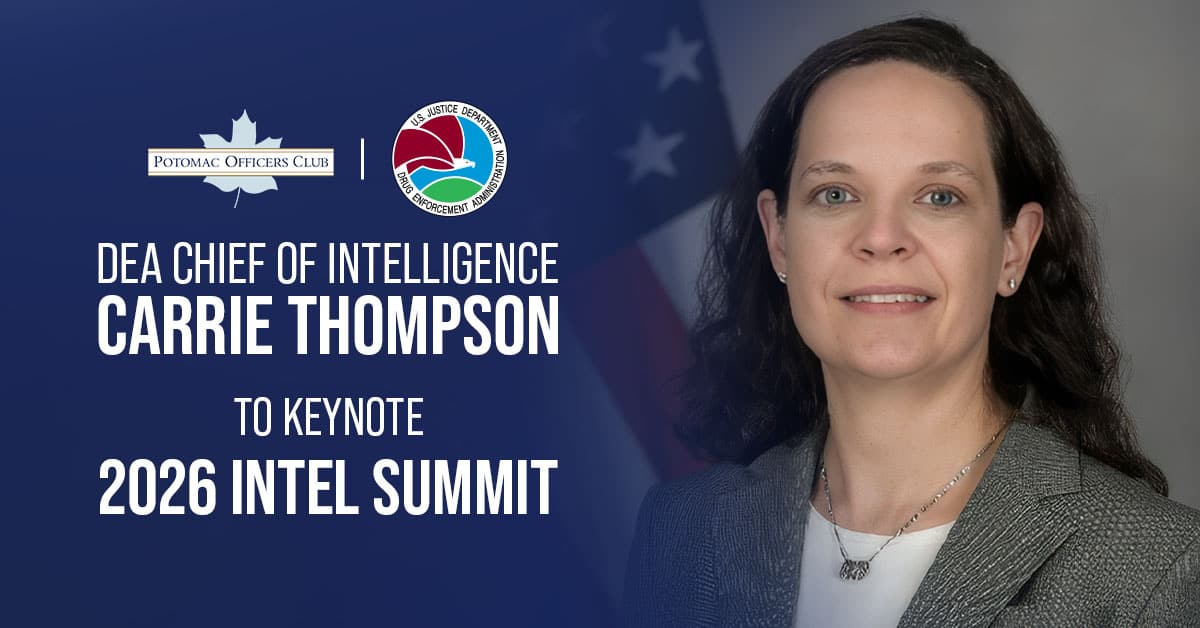
- Carrie Thompson, deputy assistant administrator at the Drug Enforcement Agency

The 2026 Intel Summit will convene intelligence and national security experts from government and industry to address rising threats driven by global power competition and fast-moving technological shifts. From China, Russia, Iran and North Korea’s expanding military and cyber capabilities to the dual-edged rise of artificial intelligence and quantum computing, intelligence leaders face pressure to integrate emerging technologies while protecting critical systems and data. Get your tickets today!
Who Is Matthew Kozma?
Kozma is a seasoned intelligence, technology and cybersecurity expert who has extensive leadership experience in the military, the intelligence community and the private sector.
Role at DHS
As DHS under secretary for intelligence and analysis, Kozma is responsible for all intelligence matters at the agency, including counterterrorism, counterproliferation of weapons of mass destruction and critical infrastructure protection. He is also involved in the development of department-wide intelligence policies.
Kozma heads DHS’ Office of Intelligence and Analysis, or I&A, which delivers the information needed to help operators and decision-makers detect and mitigate domestic and international threats to national security. The office is the only element of the IC with the statutory authority to deliver intelligence to state, local, tribal and territorial government and private sector partners. It also manages fusion centers that facilitate intelligence sharing between federal agencies and local law enforcement organizations, NextGov/FCW noted.
He concurrently serves as chief intelligence officer of the department, coordinating intelligence programs across the DHS Intelligence Enterprise, and advises the director of national intelligence on matters related to homeland security.
Career in Public Service
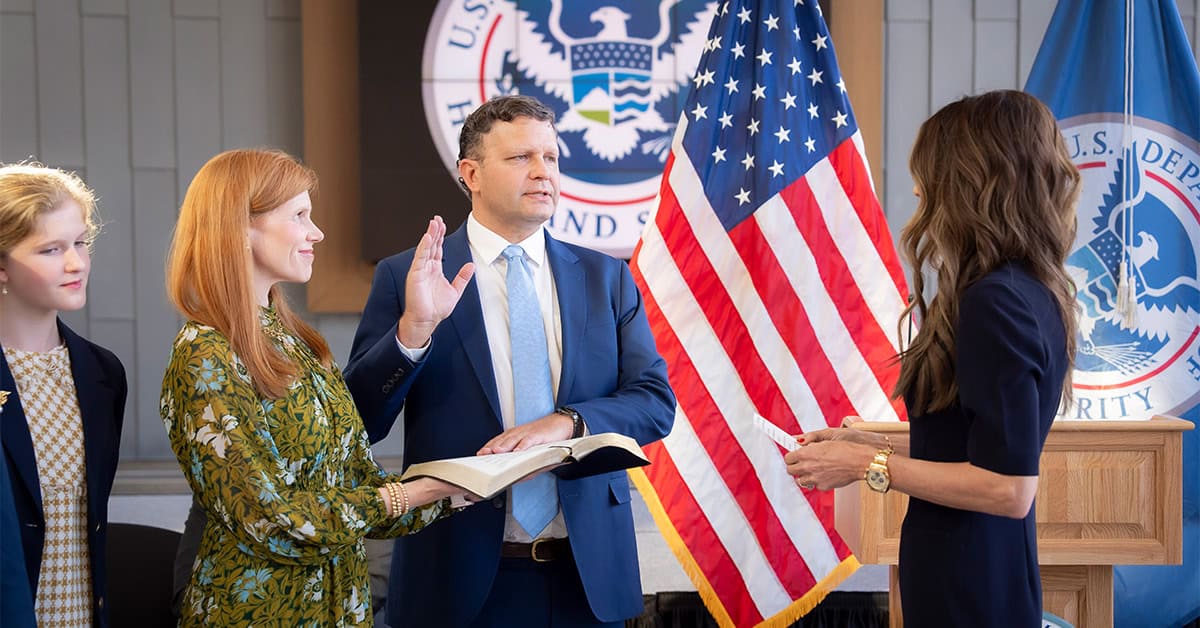
During Trump’s first term, he served as the chief information officer of the IC. In the role, he advised the director of national intelligence on matters related to information management and technology, including IT investments in the IC’s 17 agencies.
He also held the role of executive agent for the Department of War’s Unified Platform and Joint Cyber Command and Control. He was in charge of closing cyber capability gaps and delivering cyber capabilities to the warfighters.
Kozma is a U.S. Air Force veteran, who has served for over 25 years. He was commissioned as a graduate of the U.S. Air Force Academy, where he earned a degree in electrical engineering and applied physics. He continues to serve as a colonel for the Air Force Reserve.
In documents submitted to the Senate Select Committee on Intelligence prior to his confirmation, he noted experience directing mission application and capability development and deployment, and said he spearheaded efforts to design, develop, test, field and operate imagery intelligence systems. He supported the Military Strategic and Tactical Relay, or MILSTAR, satellite program. He also held positions at the National Reconnaissance Office, National Geospatial-Intelligence Agency and the National Imagery and Mapping Agency.
Private Sector Leadership
Kozma also held leadership positions in the private sector, and has advised executives of companies on technology development, corporate partnerships, and sales and revenue growth, according to his DHS bio.
What Will Matthew Kozma Discuss in His Keynote?
Kozma’s appearance at the 2026 Intel Summit comes at a time of change for I&A, as congressional leaders seek to reform the future of the office. In May, the House Homeland Security Committee advanced seven bipartisan bills that aim to improve I&A’s ability to protect the homeland against threats. The measures intend to modernize the nation’s threat alert system, strengthen threat intelligence sharing, and expand support for state and local officials facing potential foreign espionage risks.
At the event, he may discuss:
- Modernization efforts underway at the I&A, DHS and IC
- Balancing intelligence collection with privacy and civil liberties protections
- Heightened threat environment caused by geopolitical conflicts
- Public-private partnerships in threat detection and technology adoption
Kozma, who has led technology investments and development efforts throughout his career, may also talk about the I&A’s capability requirements to support its mission. He spoke about technological advantage as a “foundational pillar of America’s prosperity,” and pledged to ensure that DHS analysts have access to cutting-edge tools during his confirmation hearing in 2025. GovCons may identify opportunities to deliver capabilities in support of the I&A, DHS and the broader IC.
What to Expect at the 2026 Intel Summit
The 2026 Intel Summit serves as an important forum for intelligence and defense leaders to address national security issues. The event will gather senior government officials to explore the evolving threats posed by nation-state adversaries and heightened by emerging technologies.
Other government leaders joining the event include:
- Erik Blasch, program officer at the Air Force Office of Scientific Research
- Martin Holmes, House Permanent Select Committee, Intelligence National Security Agency and Cyber Subcommittee
- Dr. Adele Merritt, University of Maryland faculty member and former chief information officer for the entire IC
- Stephen Pierce, director of Naval Intelligence Activity N3, U.S. Navy
- George Street, director of the National Counterintelligence and Security Center, Office of the Director of National Intelligence
- Capt. Patrick Thompson, Infrastructure Services Division at the Coast Guard
Panels will dissect changing regulations, foreign threats, counterespionage, and how emerging technologies such as agentic AI are transforming every stage of the intelligence cycle, from collection and processing to dissemination. Tickets are limited. Register today to secure your spot!

Category: DHS